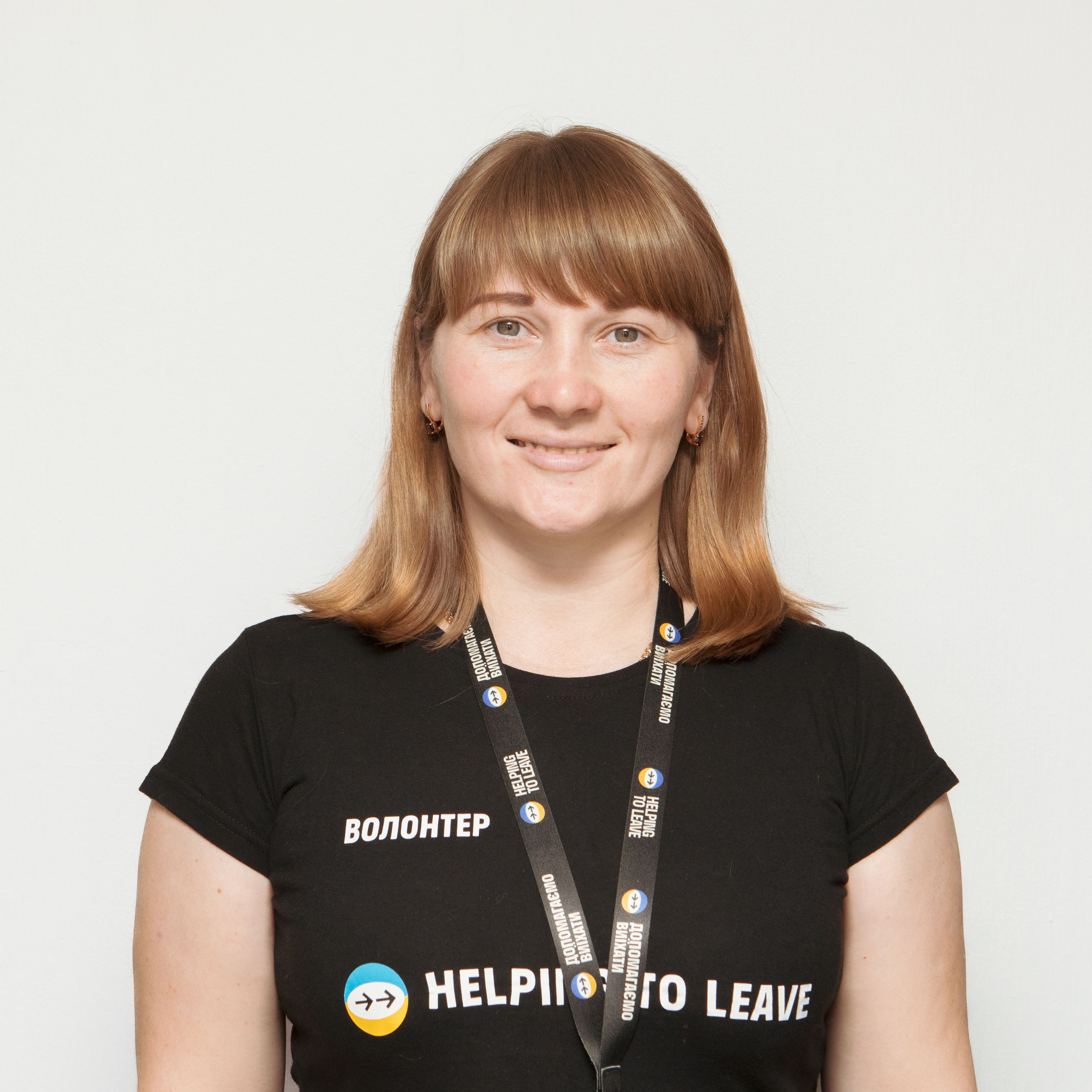
"If you're able to help in any way, you should"
The story of Lyubov from the humanitarian corridor
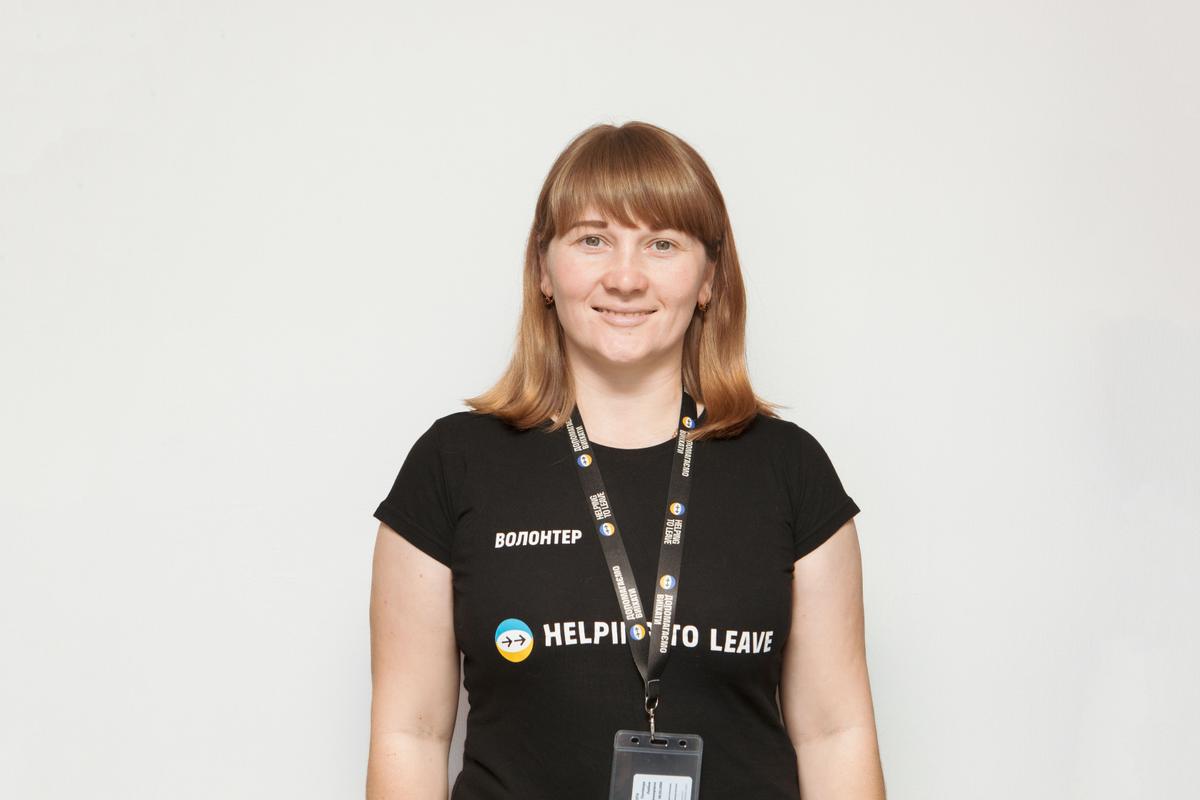
Interview and story by Yuliia Kalaban
Photos by Bohdana Ferguson
People crossing the Mokrany–Domanove humanitarian corridor get there after days of travel, checkpoints, and constant stress. Here, they're welcomed by humanitarian teams.
"Helping people is my profession"
"There have been many stories. But you have to go to work with a clear head. If you dwell on everything, it will be hard to work," Lyubov replies when asked about the incidents from the humanitarian corridor that have left the deepest impression on her.
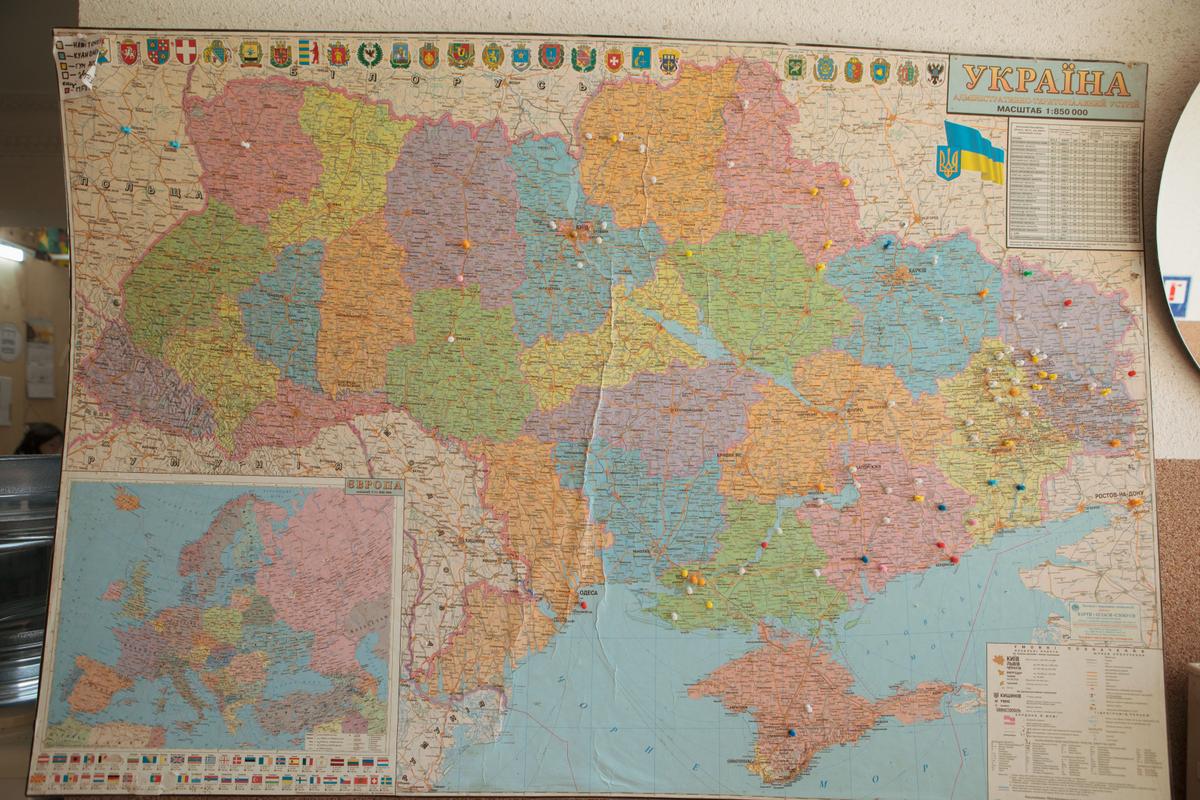
Lyubov works at the Mokrany–Domanove humanitarian corridor. It is a route for people from the temporarily occupied territories to get to the Ukrainian-controlled territories via belarus. The corridor stretches between the checkpoints on the Ukrainian-belarusian border in the Volyn Oblast and remains one of the few available routes for civilians trying to leave the occupation.
By education, Lyubov is a social worker. Before working at the corridor, she was a social teacher and psychologist at a school. She says that helping people has always been a natural part of her life.
"I really liked that job. It's about communicating with people, helping people. That's my profession," she says.
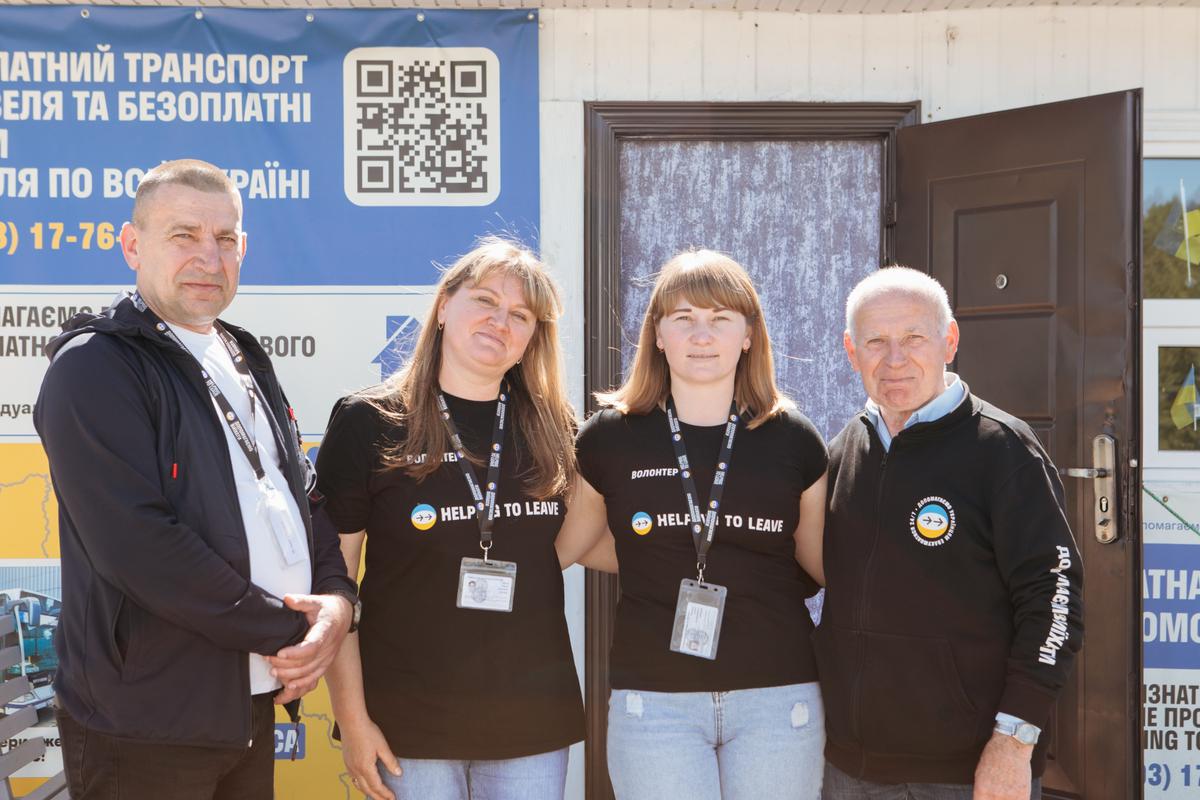
Lyubov has been working at the humanitarian corridor for two years now—in fact, ever since Helping to Leave began operating in Domanove. Her shift runs from noon to midnight, but in practice, the day often ends later.
"Sometimes people arrive after midnight. And then we keep working," she says.
What people need immediately after arrival
When people finally pass all the inspections and cross the border, they are welcomed by representatives of humanitarian organizations. Some immediately ask for a phone to call their families. Others remain silent for a long time. Some start crying right in the middle of a conversation.
"The first thing they need to do is contact their families. They've been on the road for two or three days, and not everyone has cell service. We either connect them to Wi-Fi or provide SIM cards," explains Lyubov.
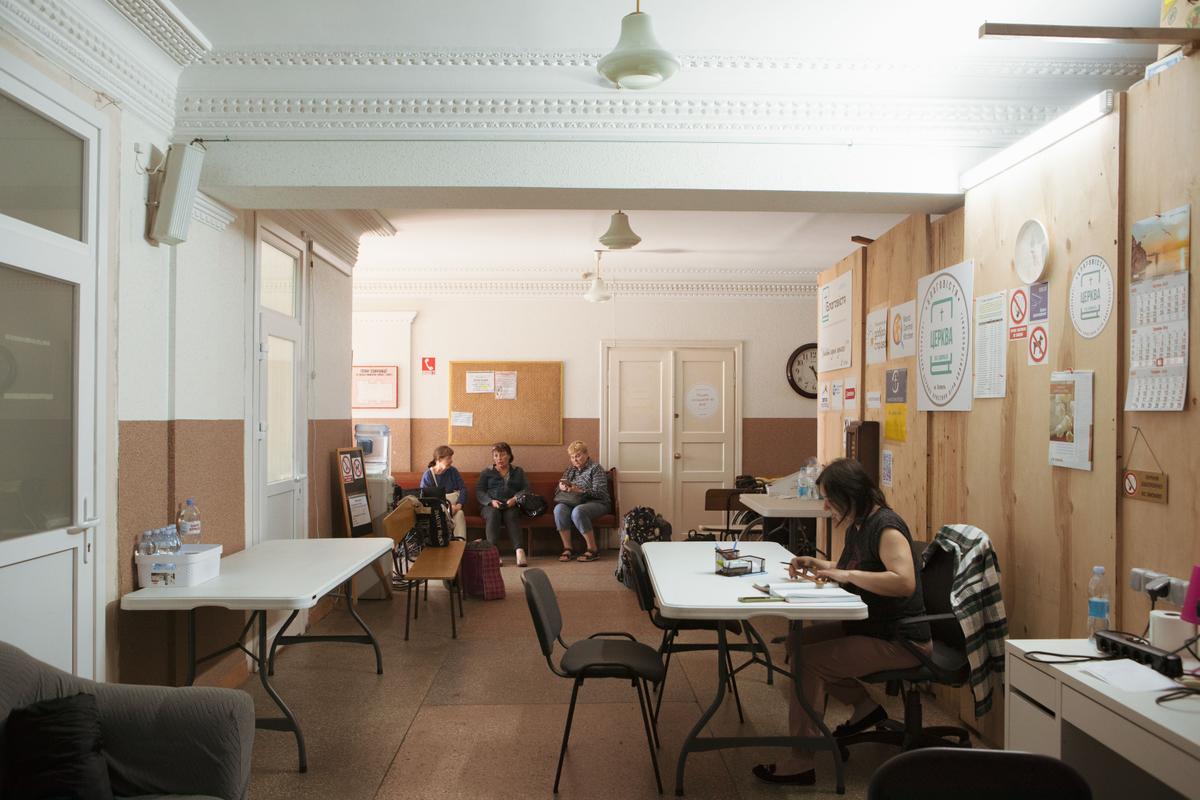
After that, the team assists with the next steps: registering people for cash assistance, purchasing tickets, arranging transportation, and helping them find temporary housing or accompaniment for people with limited mobility.
"It's all on a case-by-case basis. Some people need a ticket, some need housing, and some just need someone to listen to them," says Lyubov.
According to her, the hardest part of this work is not knowing what state a person will be in after a long journey.
"Their emotional states vary greatly. Some cry because they're finally in Ukraine. Some are very angry. Sometimes people take out all their negativity on us. But then, when you start explaining that we are there to help, people gradually calm down."
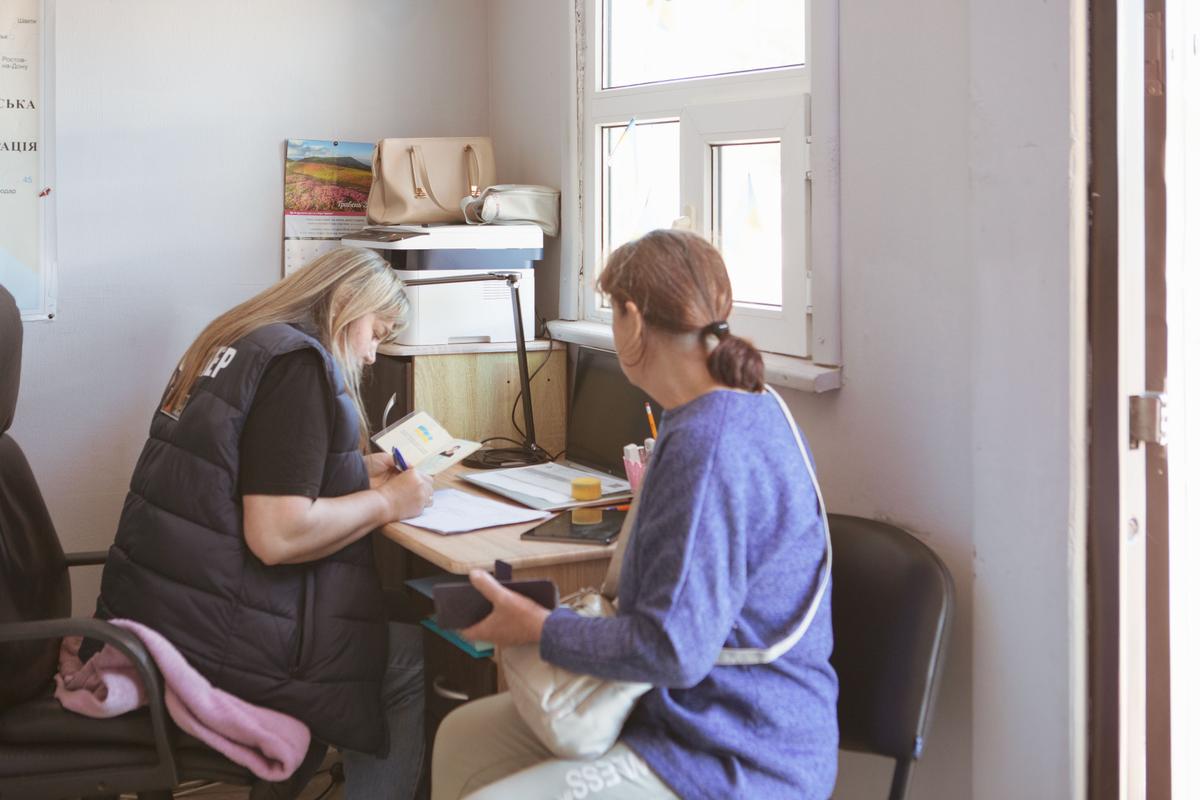
Distrust, Lyubov says, has become particularly noticeable.
People often react warily to questions, not immediately willing to share their personal information or explain their situation. The long, exhausting journey, fear of the unknown, and russian propaganda make people distrustful. But gradually, when they see tangible assistance, they begin to open up.
"When we say we'll buy a ticket and help them get [to the train station], that's when people start to trust us more," says Lyubov.
These days, it is mostly older people who are passing through the humanitarian corridor. Many are leaving simply because it is no longer possible to continue living at home.
A goat story Lyubov will always remember
Lyubov says there have been so many stories over the years that they could fill several books. But she tries to leave her job in the office. Still, there's one story she can't help but recall.
"The story I'll definitely always remember is how we transported the goats," she smiles.
A woman who had previously fled the occupation spent a long time trying to find a way to evacuate her animals. Before the full-scale war, she had a small farm where children could interact with the goats.
"She loved those goats so much. You could tell right away," Lyubov recalls.
Eventually, thanks to volunteers, their transportation was arranged. The goats were traveling in a specialized vehicle, and for the last few kilometers, people crossing the border quite literally had to lead them through on a leash.
"They had to be led for about two kilometers. And the goats weren't small—they were mountain goats, more like rams. The border guards helped, and the people [going through the checkpoint] helped. And she stood here and cried tears of joy."
Lyubov talks about this with a smile, but almost immediately returns to her usual calm tone. She says you can't do this job any other way.
"If you let it all get to you, you'll have a very hard time."
I ask what helps her avoid burnout and come back here every day. Lyubov falls silent for a moment.
"I think to myself: we live here under a peaceful sky, while people over there are under constant stress. And if I am able to help in any way, I should. It's a small contribution. But at least it's something," she says after a pause.
She speaks about her work very calmly—without any sense of exceptionalism or heroism. She says she's simply doing what people need right now.
No two days are the same in the humanitarian corridor. Each one brings new people, new routes, new conversations, and new decisions that have to be made quickly. But amid this constant exhaustion, there are things that happen over and over again: somebody finally manages to call their family, somebody starts speaking calmly for the first time in a long while, and somebody just lets out a sigh of relief after the journey.
And perhaps it is precisely these small moments that make us feel we are no longer alone.
This material has been prepared by CO CF Helping to Leave within the National PULSE Consortium, coordinated by Right to Protection. UK Government support to this project in Ukraine is provided through the SHARP element of its Humanitarian Assistance, Recovery and Protection Programme. However, the views expressed do not necessarily reflect the UK government’s official policies.